Sean Riley:
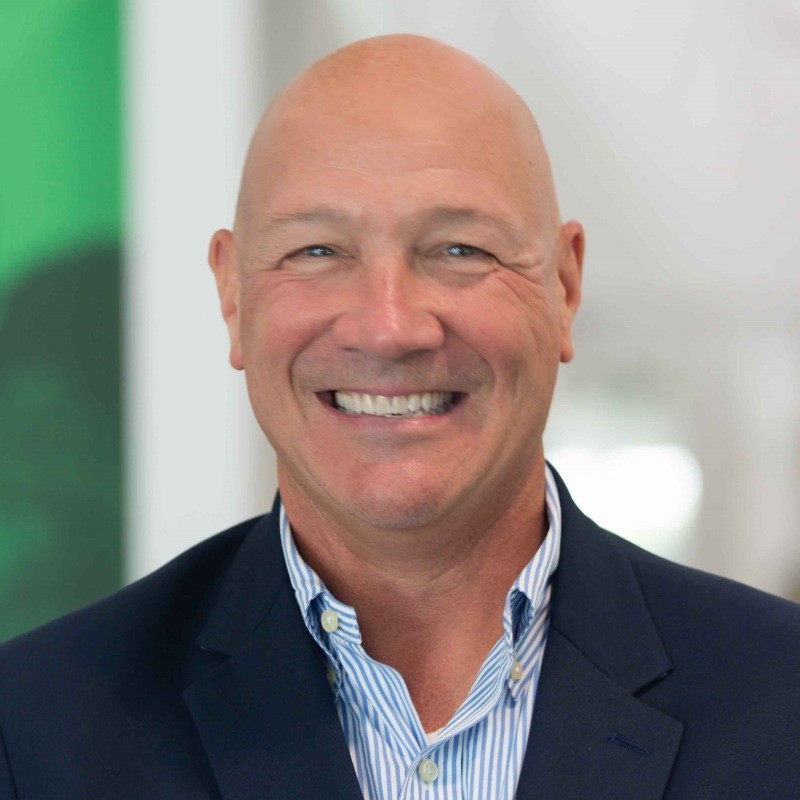
Hi, and welcome to Unpacked with PMMI. I'm your host, SeanRiley, and we're coming to you live from PACK EXPO here in Chicago. And today Ihave Greg Magdanz from Schneider Electric, and we're going to talk a little bitabout the kind of rise of the hybrid operator and why future workers need tothink more like systems and not like jobs. So with that out of the way, welcometo the podcast, Greg.
Greg Magdanz:
Yeah, thank you, Sean. I really appreciate you having mehere.
Sean Riley:
Oh, the pleasure is all mine. Now, using the term hybridoperator, what does that person look like on a line today, and how would thatbe different than an operator five, 10 years ago?
Greg Magdanz:
The line operators today need to know about the entiresystem, really. Whereas in the past, they might have had one specific function.Understanding how one particular area, one particular set of motors operated,and if they heard something that didn't quite sound right or they saw somethingthat wasn't quite functioning right, they knew it. They had been on that lineforever. They knew these things, but those things were undocumented. Those arethe things that today are really, I guess you could call it, coming to roostbecause we have such a large population of our workers that are retiring thatknew all that stuff about their particular area. Now that you remove them,bring somebody in new, you have no information. And so today's worker really isabout understanding not just their part, but how it fits into that entiresystem that they're operating. And then today's worker also has to understandthe data that's involved in that as well, because the data is very powerful.
Data's always been there, but again, I think in the pastit was more of a feel, whereas today it's more factual as far as what it'sbeing told because that person does not have a feel for how that's supposed tooperate.
Sean Riley:
And there's also less amount of workers on the linebecause I know that we're losing the tribal knowledge that's walking out thedoor, but is there less workers so that someone has to know their differentparts of the line than maybe they have in the past?
Greg Magdanz:
Yeah, I tell you, it's unfortunate. Right now, roughlythere's about 500,000 jobs that are open because we can't fill those skill gapsright now. And so they do have to know more about what's going on in thatentire line and to kind of fill in where there are those openings. And it's notgoing to get any better. My understanding is by 2030, there's going to be twomillion of those openings. And that's scary, right?
Sean Riley:
I think that is the number.
Greg Magdanz:
Workers today are going to have to have more knowledgeabout their entire system that they're operating, whereas it used to be severalpeople, those people aren't available and not there. So you're going to have tohave a different skillset to be able to do that as well.
Sean Riley:
Where other places might you be seeing roles blur across,whether it's operations or data? Can you share, do you have any maybe specificexamples of where an operator might had to have made a decision that couldimpact multiple departments, like how that would happen on a line?
Greg Magdanz:
Yeah, I tell you, for years we've heard about the IT/OTconvergence, right?
Sean Riley:
Perfect.
Greg Magdanz:
And that's very real. However, today you still see areluctance, I would think, between the two organizations to really blend in.Now with the threat of cybersecurity, what a particular individual may do on aline could be a very big concern to IT. And so that's where you're starting tosee that they're having to really blend that knowledge between IT and OT inorder to prevent some catastrophic failure or event, God forbid they'd behacked or something like that, but that's happening. And so that's where Ithink that knowledge of what I'm doing today, how I'm operating in my systemtoday, what's that going to do to the company upstream from IT perspective?Because let's say a virus gets in on the factory floor, which can easily haveand it has that many examples of that, it can infiltrate through the entirecompany and that's where it impacts everything.
So that's one of the bigger areas I see some of thesethings coming together. Now with AI, that's another one where AI's learning.It's learning what's going on. It's learning to take these adjustments thatneed to be made. It might be very minute, might not even know it. It doesbecause it's learning, but you have to have those human operators to be able tomanage that.
Sean Riley:
Yes, can't trust it.
Greg Magdanz:
And that's where again, IT and OT, I think you're seeingthat convergence. It's not being forced, it's naturally happening due totechnology today.
Sean Riley:
Just out of curiosity, do you see AI making its way on...Have you seen already, making its way onto the plant floor already? I hear alot of people talking about using it for backroom stuff or a little bit of dataanalysis, but not actually putting it on the machinery or are you seeing it nowactually on the machinery?
Greg Magdanz:
Yeah, we're starting to see it more on the machinery whenit comes to, again, learning. Now it's got to be validated, but it's learningand it's doing things pretty quickly. For example, I have some app engineerswho have been playing around with it to program a robot. And what would'vetaken them months to program this robot and this particular application theywant is actually taking them about a day. And that's a very real scenario wherethat programming's done. They had to go back and tweak it and make sure it wasright and test it and everything, but now it's ready to go to the customer. Andthere's just a small example, I mean, I think many companies are doing, and alot of companies now today are investing. We've done a lot of studies with youguys as well, and we've seen where companies, big and small, are investing moreand more in the IA.
Now it's a matter of, okay, we've invested in it, let'sput it into real use. And so I think we're at the beginning, but I think that'sjust going to continue to grow dramatically.
Sean Riley:
That's amazing. Do you see a reluctance from, because youhave some staff that are still have been around for a while and have been doingthis for a while, to be able to get up to speed on these types of newertechnologies?
Greg Magdanz:
Yeah, it depends on the individual. I tell you, we have aplant that's been around for 75 years. We had an individual in that plant whohad been there, I want to say 50 years.
Sean Riley:
Wow.
Greg Magdanz:
And we were upgrading the plant to be one of the smartfactories, one of the lighthouse recognized factories in the world. He wastrained up on the newer technology, embraced it 100%, and really has been oneof our top employees at this facility because he embraced that technology and anewer way to work. And it was really kind of cool to see someone who had beenwith the company that long changing.
Sean Riley:
Absolutely.
Greg Magdanz:
So I think it's very possible for people to change and nomatter where they are in their career change. And I think it's baby steps likeanything else. It's to prove to people there's nothing to be afraid of. It'smore about, hey, let's start here and then let's go here and let's experiment alittle. And I think if we experiment more, the more comfortable people will seehow AI, I think, is really going to help them tremendously in their everydayactivities.
Sean Riley:
Yeah, I think that there is a trust coming around on it,but that's interesting to hear a story where you make a reference to someonewho's obviously been around the block a little bit and they were willing to doit. Is there anything that you could think of that you would help with peoplethat aren't, or is it just something you're just going to have to learn becauseit's part of your job?
Greg Magdanz:
I think it's how you maybe integrate it. And if youintegrate it and maybe teach them on how to do a, let's say, operationdifferently, but AI is a part of that new operation, I think that's how folkswill start to get used to it. It's like the internet.
Sean Riley:
Yeah, you're right.
Greg Magdanz:
It's kind of, oh boy, what is this? And now nobody canlive without it.
Sean Riley:
No, exactly.
Greg Magdanz:
Same with email. I mean, I know when email came out, Ithink I had an AOL account.
Sean Riley:
I'm still using Yahoo. People give me crap for it all thetime.
Greg Magdanz:
It's just we have to have it now. So I think it'll taketime, but I think people will get there.
Sean Riley:
Yeah. Okay. That makes sense. What do you think, takingthis into consideration, and that's a great example going back to how theinternet was such a big deal and such a change for everybody. Now kind of AIis, where do you see things in five or 10 years, how it's going to be differenta manufacturing operator's job, what they're going to have to do, what they'regoing to have to know that's going to be different in five, 10 years?
Greg Magdanz:
That's a great question. I think a lot of it has to dowith one, they got to be flexible enough to go with the technology. But I thinkonce they do, part of it is understanding what the information is telling. Andthere are many other aspects and uses, but one example would be you're on afactory floor, you're looking at an HMI machine interface, flat screen, and theAI's running in the background and it's triggering maybe alarms or it is makingadjustments without the operator actually doing the adjustments. But theoperator's there to say, "Okay, all right, is this the right adjustment tomake?"
Sean Riley:
Kind of overseeing it.
Greg Magdanz:
Really overseeing it. So I think it's going to be morevalidation than it is actually doing and having to go make that adjustmentyourself. I see the technology moving in a way that it'll make thoseadjustments on its own as things go along. Because look, when machinery startswearing out, you're constantly having to make adjustments into the system initself. And even when you put say a new belt in a conveyance system, that'sgoing to have a whole different set of parameters.
Sean Riley:
Absolutely. Of course.
Greg Magdanz:
Again, I think it's more a matter of monitoring andmaintaining and managing those assets, but understanding the data and what'sgoing on with that system that's say running off of an AI generated type oftool.
Sean Riley:
Do you think we get to a point where we're completelytrusting the AI or do you think we're always going to have a person overseeingit? Because I think that's the fear is, oh AI, we have this problem where wedon't have the jobs filled, but then if AI is going to kind of swoop in andhelp solve some of these problems, are we going to take the jobs that peoplealready have? Do you see it getting that far or no?
Greg Magdanz:
No, I think that it'll require a different skill.
Sean Riley:
Maybe a skillset.
Greg Magdanz:
Yeah. So everyone's going to have to have different skillsets. That makes the job interesting.
Sean Riley:
Yeah, sure.
Greg Magdanz:
And so I think that's what you're going to see. It's notgoing to eliminate roles, it's just going to reposition them.
Sean Riley:
Okay, that's a good way of putting it.
Greg Magdanz:
And people will have to say, "Okay, I'm going to bedoing this new role. It's a little bit of a change," but companies have torecognize that and also keep up with the training because that's going to becritically important. You just can't throw a worker in there and say,"Okay, I expect you to know this and go." A company's going to haveto invest in training and not just the technology be it, but train people onhow to operate and maintain those systems within themselves, but alsounderstand how to use AI to program or whatever may be the function thatthey're assigned to go to.
Sean Riley:
Yeah. And with everything changing so fast, the traininghas to be kept up with, obviously. It's not just like the old days where youlearned how to work your spot on the line and that was it. Interesting. Thiswas a great discussion and I really appreciate you. I know you got to jump on aflight to get out of here and I appreciate you taking time, Greg, to come onhere and talk with us on Unpack. So thanks again.
Greg Magdanz:
No, my pleasure. And like I said, it's going to be anexciting future for us. I'm really motivated about what I'm seeing and I thinkthe younger folks that are coming up these days, I'm part of First Robotics inNorth Carolina. And boy, what I'm seeing coming into the workforce definitelyleaves me hope.
Sean Riley:
Yeah, I'm more excited about manufacturing in the industryin general. That's fantastic.
Greg Magdanz:
Yeah, definitely. We got to support them and that's whatSchneider Electric's about as well.
Sean Riley:
Love to hear that. Thanks a lot, Greg.